Sport
It’s sport—but it’s never just sport.
It’s story, driven by feeling and sharpened by anguish.
Personal, yes—but always tied to something bigger: our relationship with it, and the time and place it lives in.

I want to say that J.J. Buchanan gave us that miracle, but it actually doesn’t look as miraculous as some Hail Marys I’ve seen. If you watch it again, on the one hand, it’s always a miracle when that sort of play comes off. Underwood had to heave it sixty yards in the air. On the other hand, I’ve never seen a last-ditch pass hauled in where the receiver almost looks like he’s catching it in stride. Watch it. It’s like he’s running a post pattern and it just happens to be the last play of the game and there happens to be a lot of people standing around in the endzone for Buchanan to crash into.
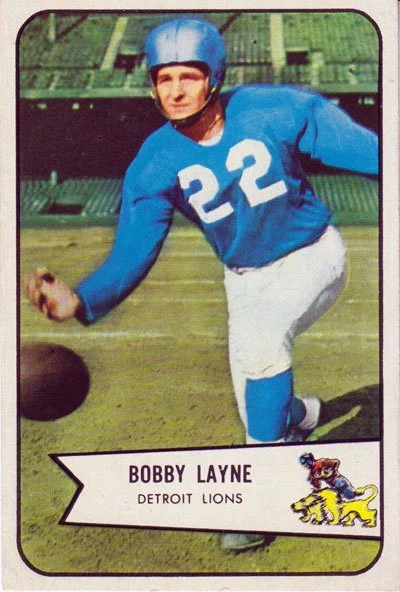
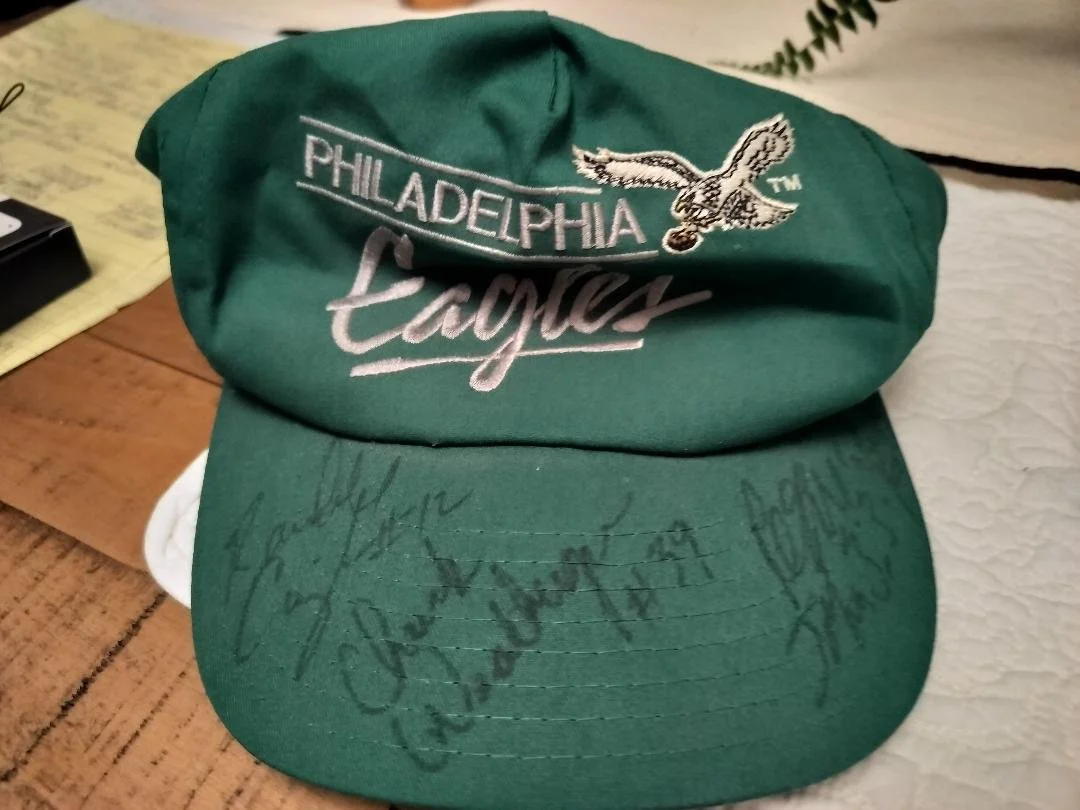
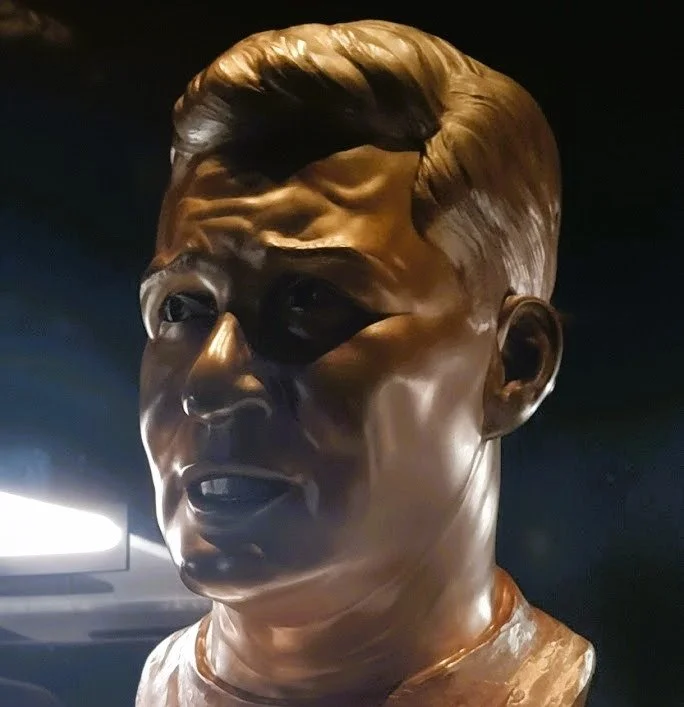
Most people will arrive at Bobby Layne the same way I did: They start with the curse. Then the drinking. His contemporaries called him the best. Three championships in the 1950s backed that up.
Violence, real violence, is nasty, it’s ugly, it’s cruel, it’s hateful. I know Atwater’s hit on Okoye was violent. I’d describe it as such. But I wouldn’t call it an act of violence.
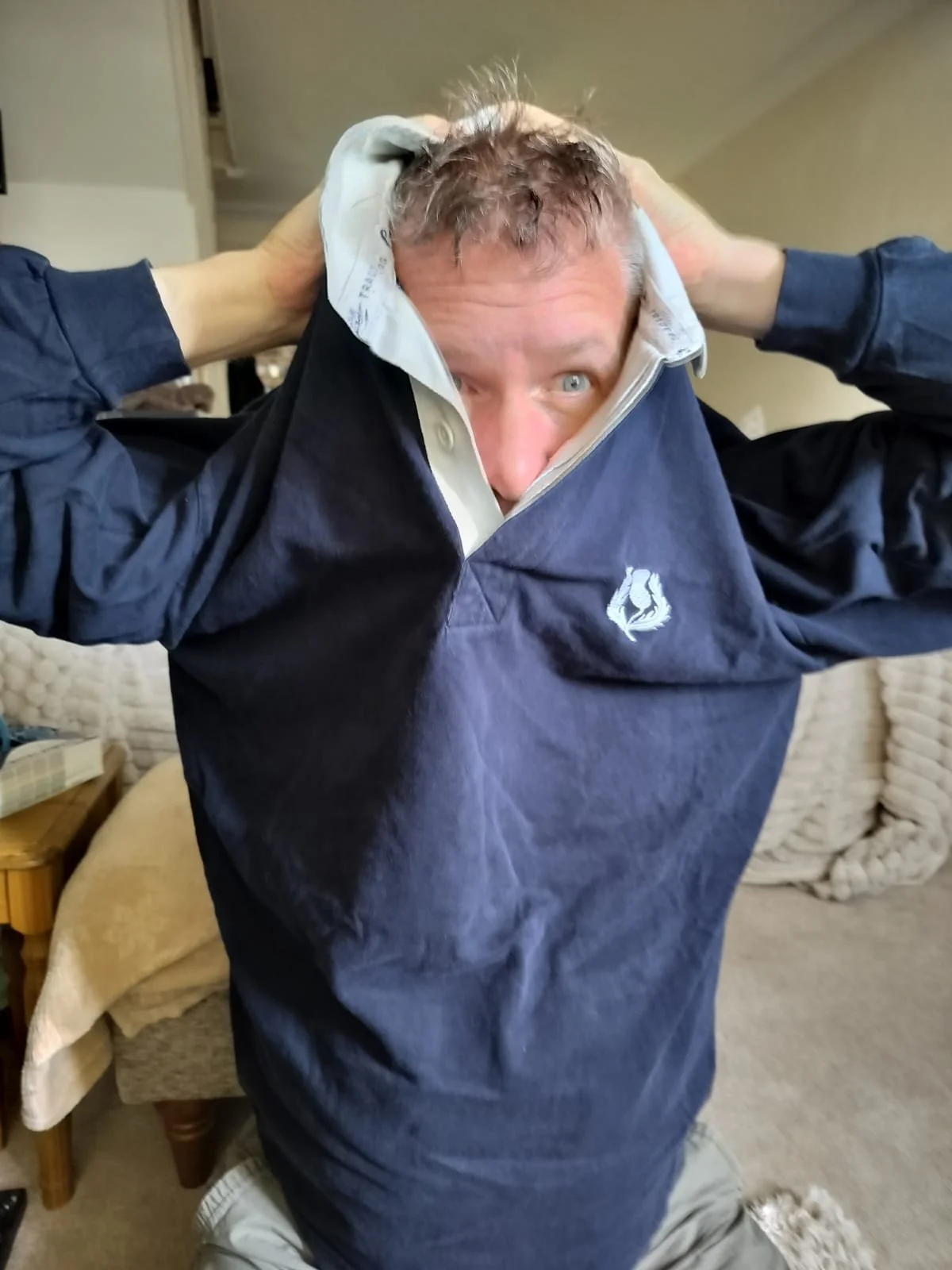
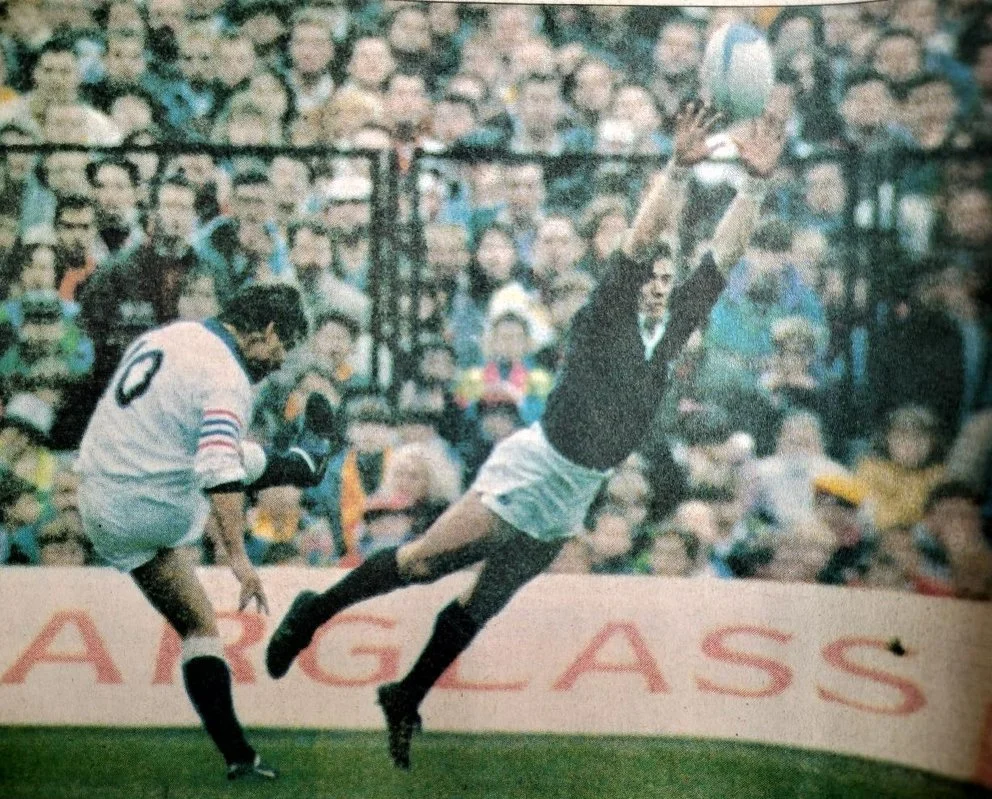
The crowd cries, “Schoooooooo,” as they always do whenever Pierre Schoeman touches the ball. Typically, it’s a couple of metres and a flop, and a short cry of “Schooo.” How long they make that noise if he ever goes on a long gallop we may never know.
Above all else is that no one perceives exactly the same thing and yet we still connect over something shared but not ever fully understood. There’s a collision of what is and what is perceived.
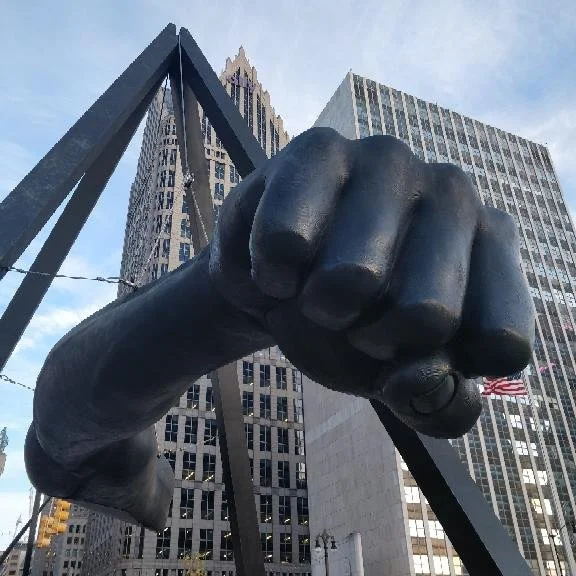
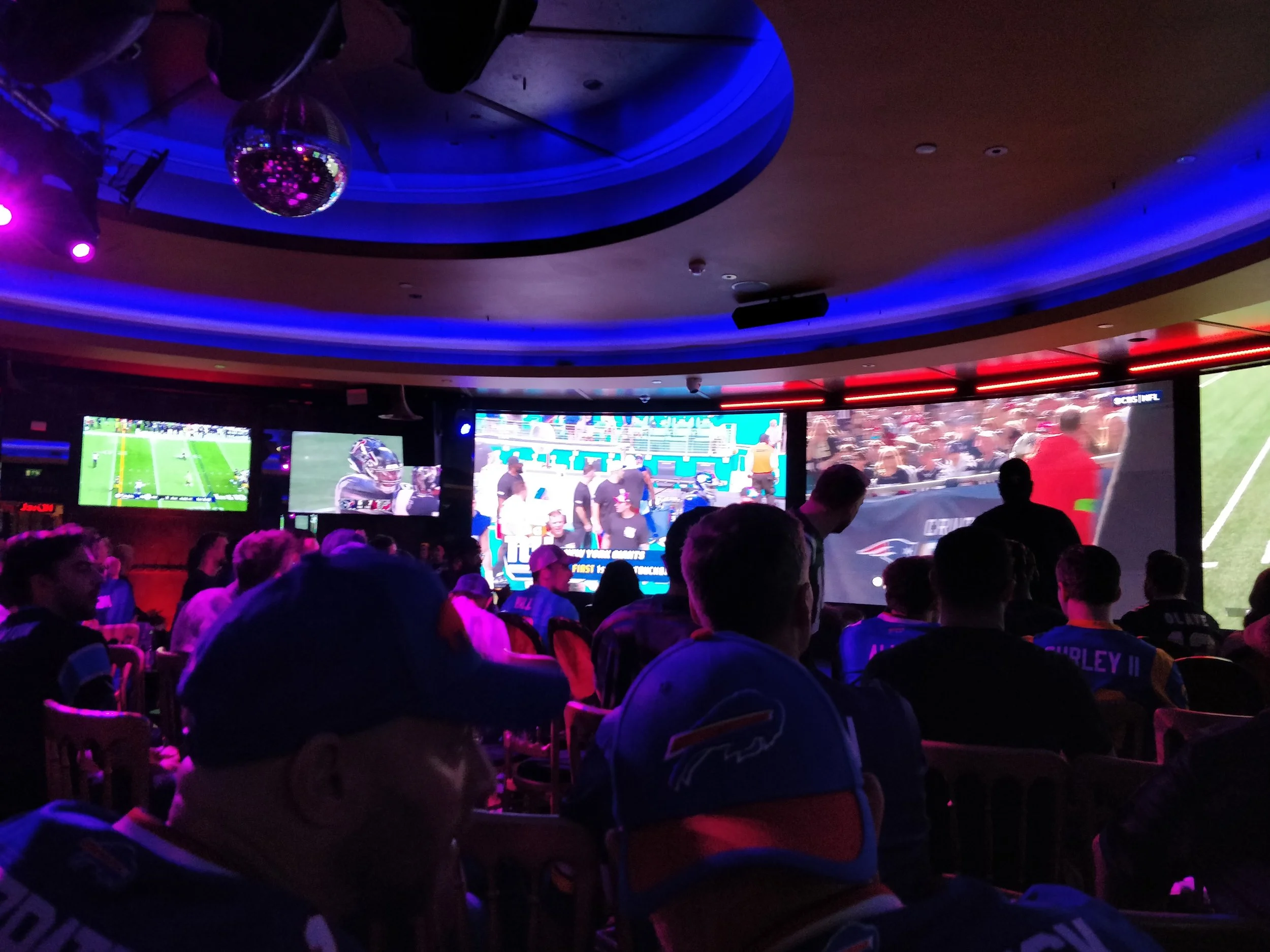
I don't come from Detroit. I've spent most of my life in and around London. I don't even drive and my team is from the Motor City. I don't know all the neighbourhoods. I don't know the city the way Detroiters know it. But I know the Lions.